Partner with us

Your truck. Your business. Our freight.

We grow by signing operators who already own the truck and already know the work. Here is what the arrangement looks like, before you call.

A freight terminal working after dark, trailers lined against the dock
Capacity partners

Owner-operators and fleet owners.

Tell us what you run and where. You keep your business; we discuss freight, compliance and the operating arrangement with you.

Freight that suits your truck

We plan loads around the equipment you run. No four o clock leftovers.

Settlement you can plan around

A fixed schedule, published on this page. You should be able to predict your own cash flow.

Every deduction itemised

Whatever comes off your settlement appears below before you sign. Nothing gets discovered later.

No forced dispatch

You run your business. Turning down a load is not held against you, and we will not pretend otherwise.

The terms

Published before you ask.

Every carrier recruiting you is vague about deductions. Vagueness is how a good-looking split turns into a disappointing settlement. Ours will be on this page in full.

01

What you are paid

The three numbers that decide whether a week was worth running.

Split
Not published yet
Percentage of linehaul paid to you
Fuel surcharge
Not published yet
Passed through in full, or shared
Settlement
Not published yet
Days from delivered paperwork to money in your account
02

What comes off it

The part every recruiter is vague about.

Deductions
Not published yet
The complete list. If it is not on it, we do not take it
Escrow
Not published yet
Amount held, and when you get it back
Trailer
Not published yet
Provided, rented, or you supply your own
03

What you are covered for

Where our policy stops and yours starts, before you need to know.

Insurance
Not published yet
What we carry, and what you have to carry
Fuel card
Not published yet
Provided or not, and on what terms

The figures are not on this page yet, and we are not going to invent them. A split you have to ask for twice is a split somebody is planning to change. You get all of ours on the first call, and in writing before you sign anything.

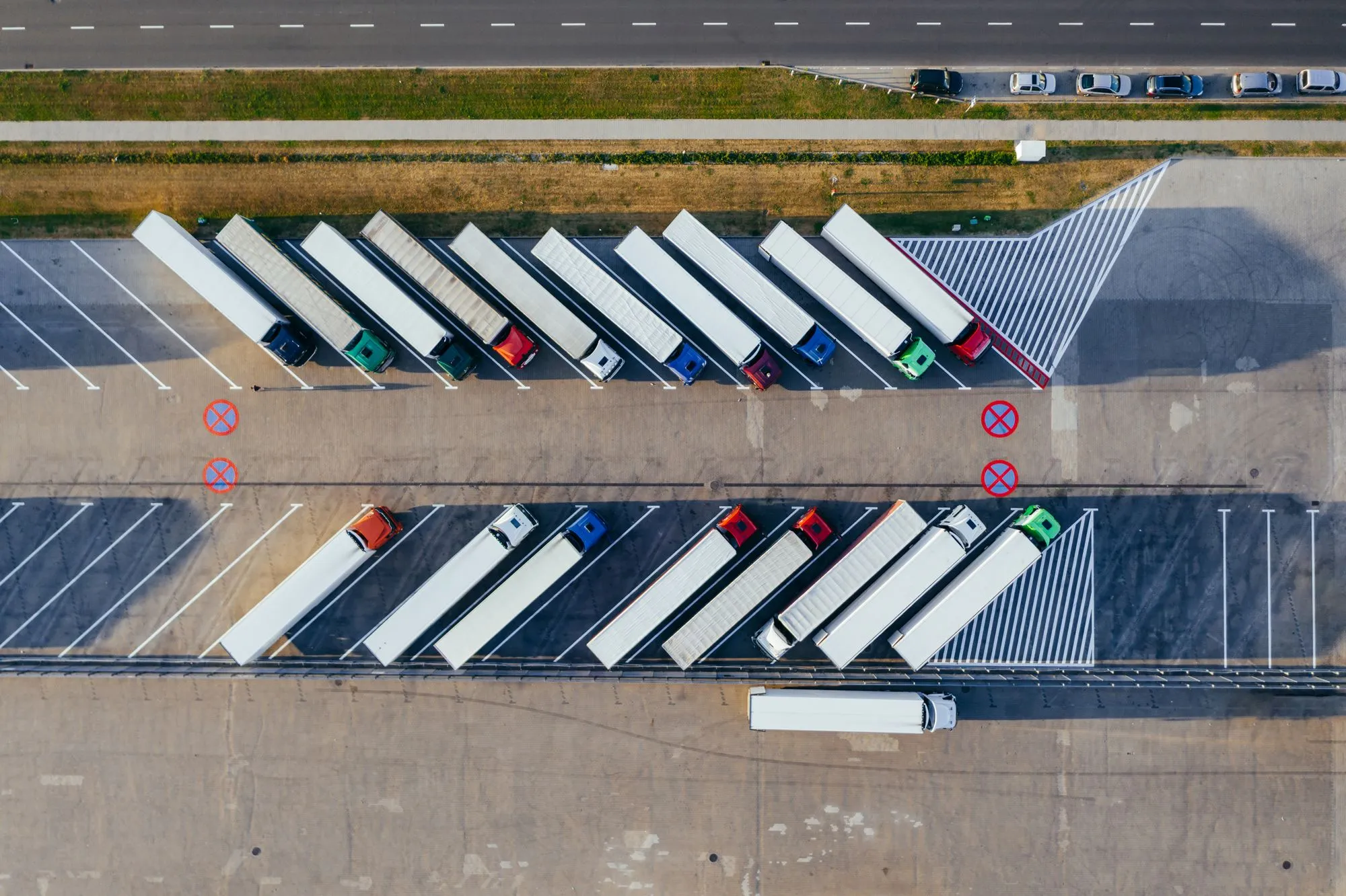
Overhead view of tractor units parked in marked bays
What we need from you

The standard is the same for everyone.

The bar for a partner truck stays high. Equipment, driver history, insurance and the operating arrangement are checked before work begins.

  • A tractor in roadworthy condition, with current inspection
  • CDL-A with a clean MVR
  • Two years of verifiable interstate experience
  • Your own occupational accident or workers compensation cover
  • A valid medical certificate and current ELD

Not there yet? Apply anyway. We will tell you what is missing.

Getting started

Four steps, about a week.

No orientation week away from home, and no surprise paperwork on day one.

  1. 01

    A phone call

    Fifteen minutes. What you run, where you run it, and what you need to make it worth your time.

  2. 02

    Paperwork and checks

    MVR, inspection history, insurance verification. The same checks every load we accept depends on.

  3. 03

    Lease and orientation

    You read the agreement before you sign it, and we go through every deduction line by line.

  4. 04

    First load

    Timing starts after the agreement, insurance and current operating credentials are confirmed.

Ready when you are

Start with a conversation.

Under two minutes to send. No documents at this stage, no automated screening, and no sign-on fee. A person calls you back, usually the same day.

Service and regional partners

We do not open terminals. We partner.

Growing into a new state by signing a lease and hoping the freight follows is slow and expensive. Working with companies already established there is neither.

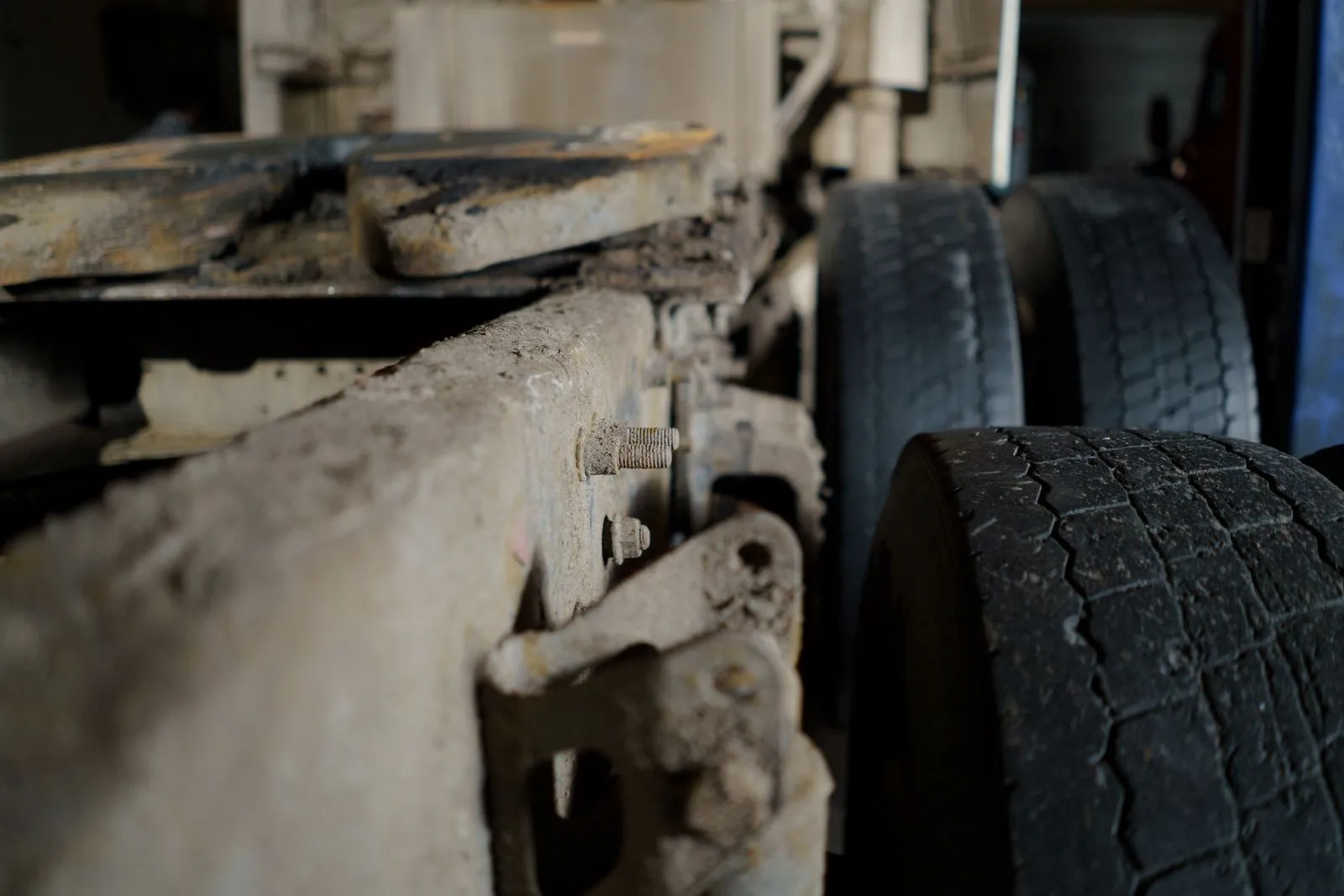
Close detail of a tractor chassis rail and running gear Maintenance

Shops and mobile repair

Predictable volume from partner trucks moving through your area. Scope and payment terms agreed up front.

  • Agreed labour rates
  • Purchase orders before work starts
  • Paid on stated terms
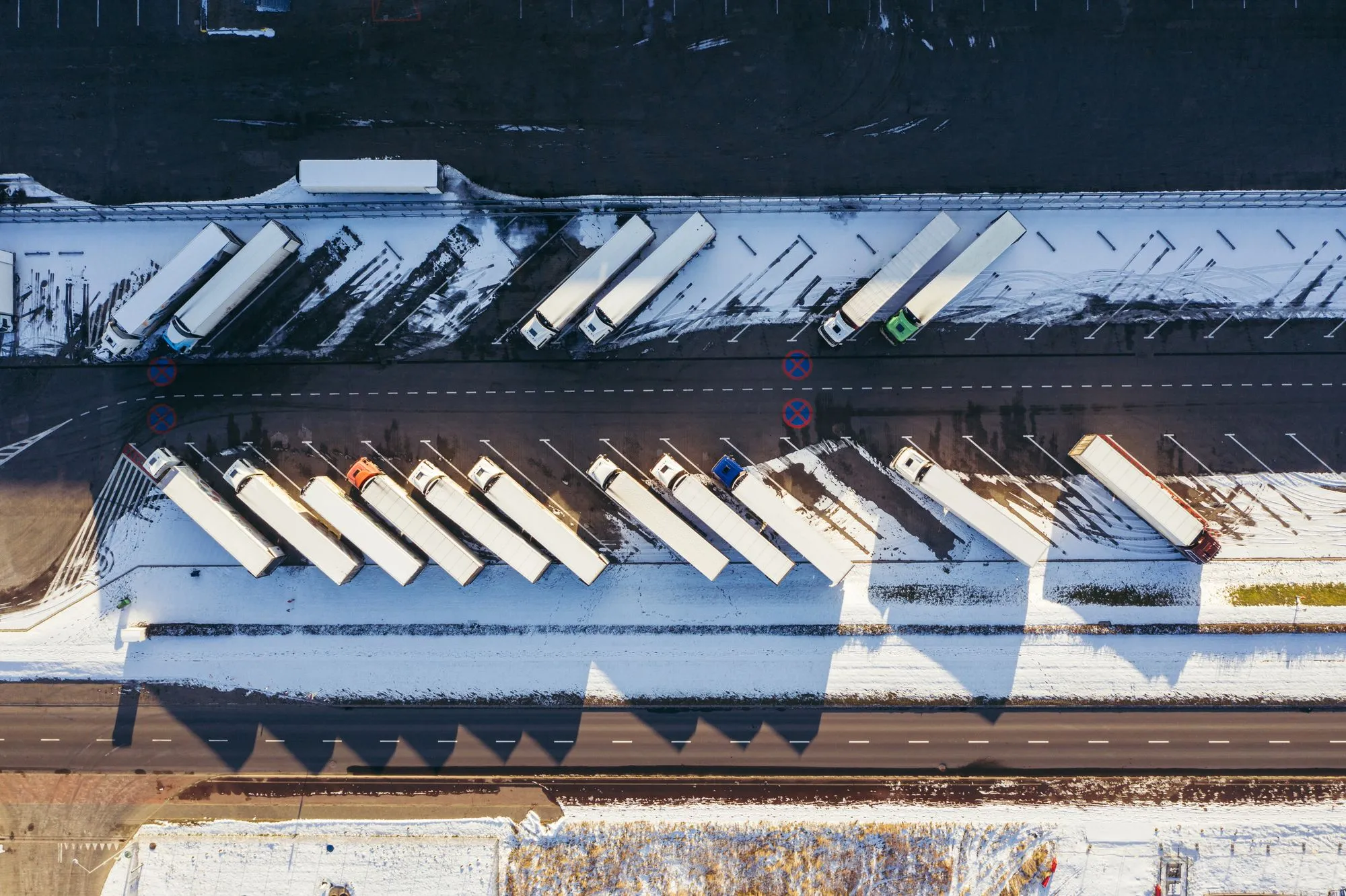
Aerial view of container trucks staged in a logistics yard Regional

Operators in new states

This is how we enter a state. If you already run the lanes and know the receivers, you know more about that market than a terminal we could open.

  • Established local presence
  • Existing customer relationships
  • Capacity you control
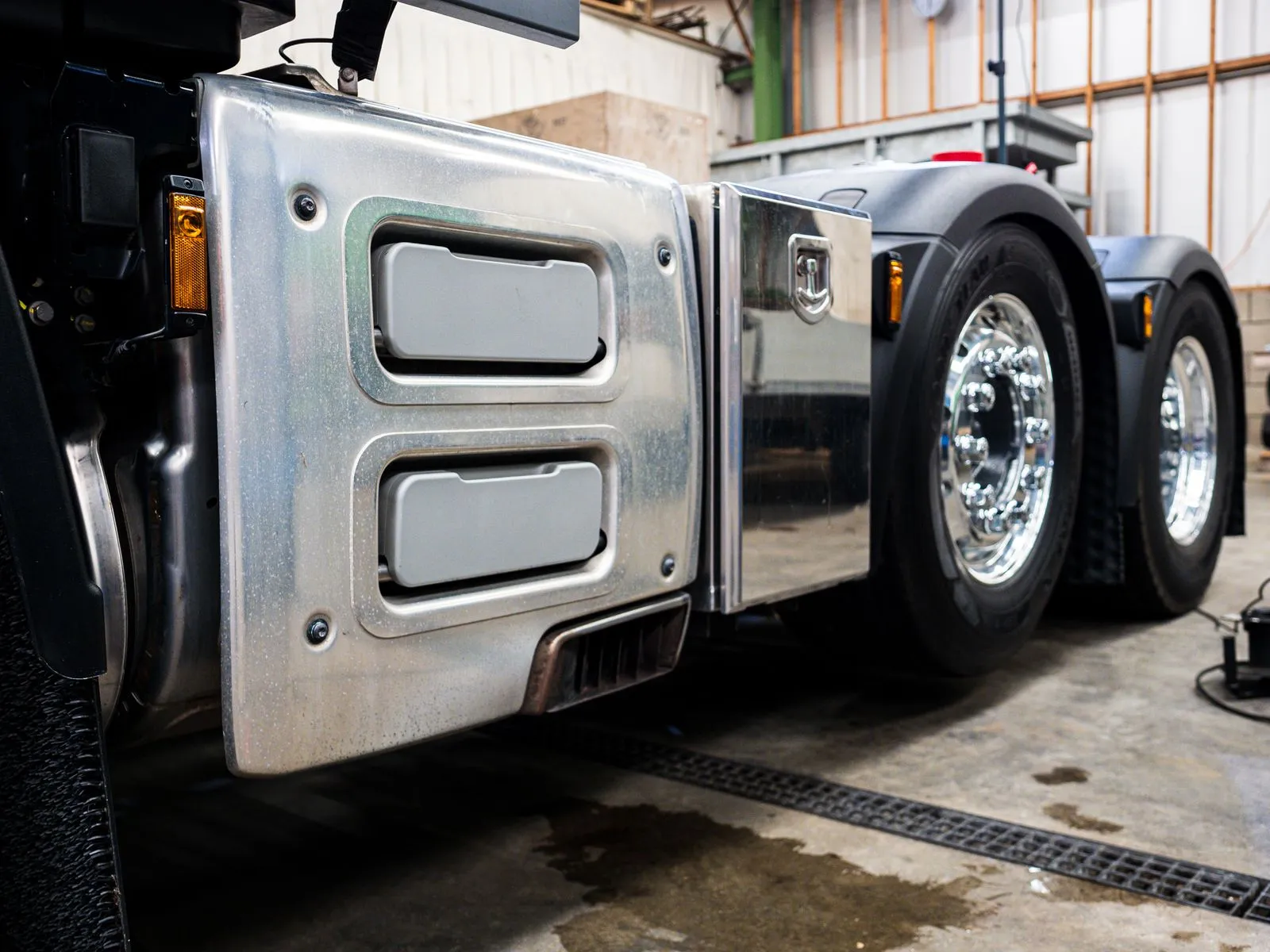
Close detail of a tractor unit wheel and hub assembly Support

Tyres, towing and yards

The practical network a truck needs on a lane it does not run every week. Small, unglamorous, and the reason a load arrives on time.

  • Roadside and recovery
  • Secure parking
  • Washouts and tyres
Shops, vendors, regional operators

Tell us what you do and where.

We are actively looking for maintenance and regional partners in the states we are moving into. This reaches the person who decides.

Straight answers

The questions we actually get asked.

Do I keep my own authority?

You can hold it. We confirm the operating arrangement, insurance and carrier of record with you before any load is accepted.

Can I turn down a load?

Yes. There is no forced dispatch. Decline what does not work for you. A load taken resentfully gets run badly, and that helps nobody.

How much freight can you actually give me?

We will tell you honestly on the first call, based on the lanes you want and what we have moving. A carrier that promises you unlimited miles before it knows your equipment is telling you what you want to hear.

What happens if my truck goes down?

We work with maintenance partners across the lanes we run, so you are not hunting for a shop in an unfamiliar town. Downtime is your biggest uncontrolled cost and we treat it that way.

Talk to the person who decides.

No call centre, no application portal. You get whoever runs partnerships that day. It is a short list.