We do not own the fleet.
Most carriers grow by buying trucks and hiring around them. We grow by partnering with operators who already own the truck and already know the work, while keeping the parts that decide whether freight actually arrives.
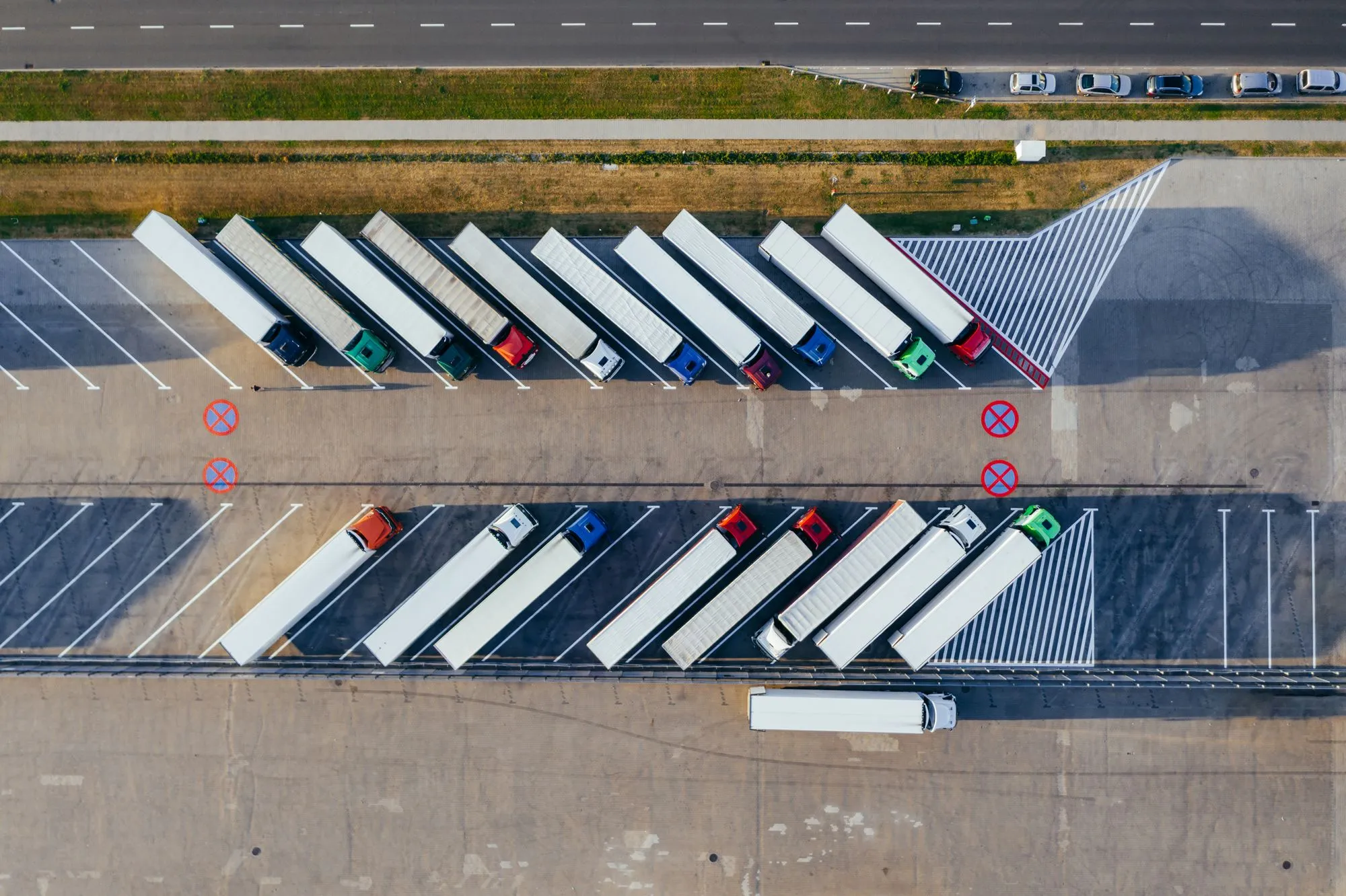
What we keep, and what we contract.
Asset-light is not a way of doing less. It is a decision about which parts of a freight company are actually worth owning.
-
The authority
The published MC and USDOT identifiers remain visible so a shipper can verify the current operating record before booking.
-
The relationship
One number, one team, one point of contact. You are not handed between a sales desk, a dispatch queue, and whoever happens to be covering the phone.
-
Planning & compliance
Load planning, partner vetting, insurance verification, and safety compliance stay with us. This is the part that decides whether freight arrives, so it is not delegated.
-
The data
Lane performance, transit times, and cost per mile are ours to watch. It is how we know which lanes to take and which to decline.
-
Driving
Owner-operators and fleet owners provide capacity. Their equipment, insurance and operating arrangement are confirmed before a lane is accepted.
-
Maintenance
Real shops that fix trucks all day. A dedicated shop with the right diagnostic equipment beats an in-house bay we would only half-use.
-
Regional reach
When we enter a new state we partner with operators already established there. They know the lanes, the customers, and the yards. We do not open a terminal and hope.
-
Equipment
Trucks and trailers belong to the operators running them. We carry no note on a single unit. A quiet month costs us patience and nothing else.
So who actually hauls my freight?
Owner-operators and fleet owners provide the capacity. We confirm who operates the load, the equipment, insurance and current credentials before accepting it.
We do not hand your freight to another company and step back. That practice, re-brokering, is how loads go missing, how claims become somebody else's problem, and how shippers end up with no one accountable.
The current carrier of record and responsibility for the lane are confirmed before a shipper books.
Check it yourself
Our authority and safety record are public. Look them up before you send us anything.
Fewer moving parts is not a smaller ambition.
Four consequences of the model, in the order they tend to matter to the person asking about it.
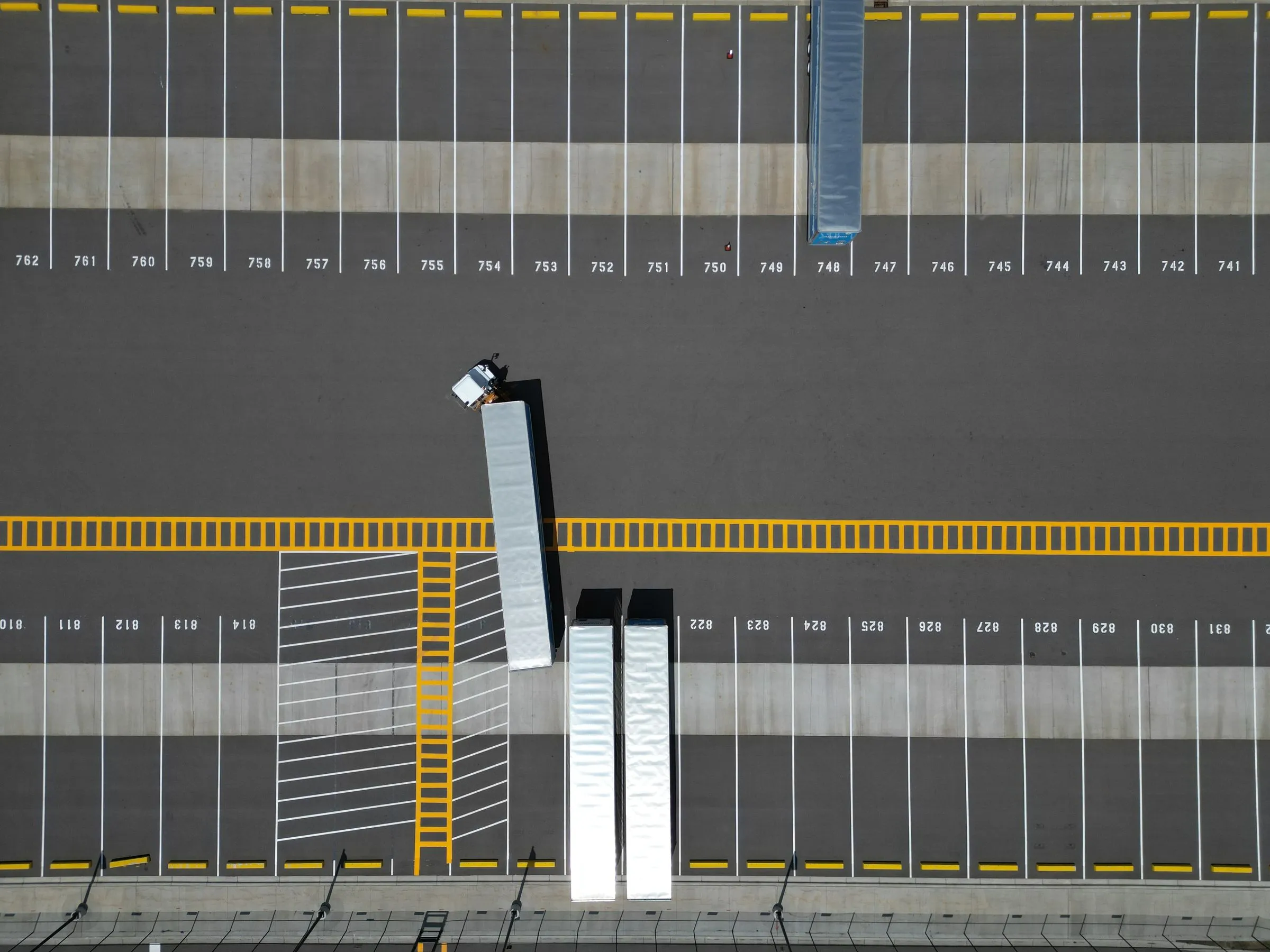
Capacity scales with demand
We add a truck by signing a partner. Capacity moves in weeks.
The reverse matters just as much: a slow month does not leave equipment sitting idle against a payment we still have to make.
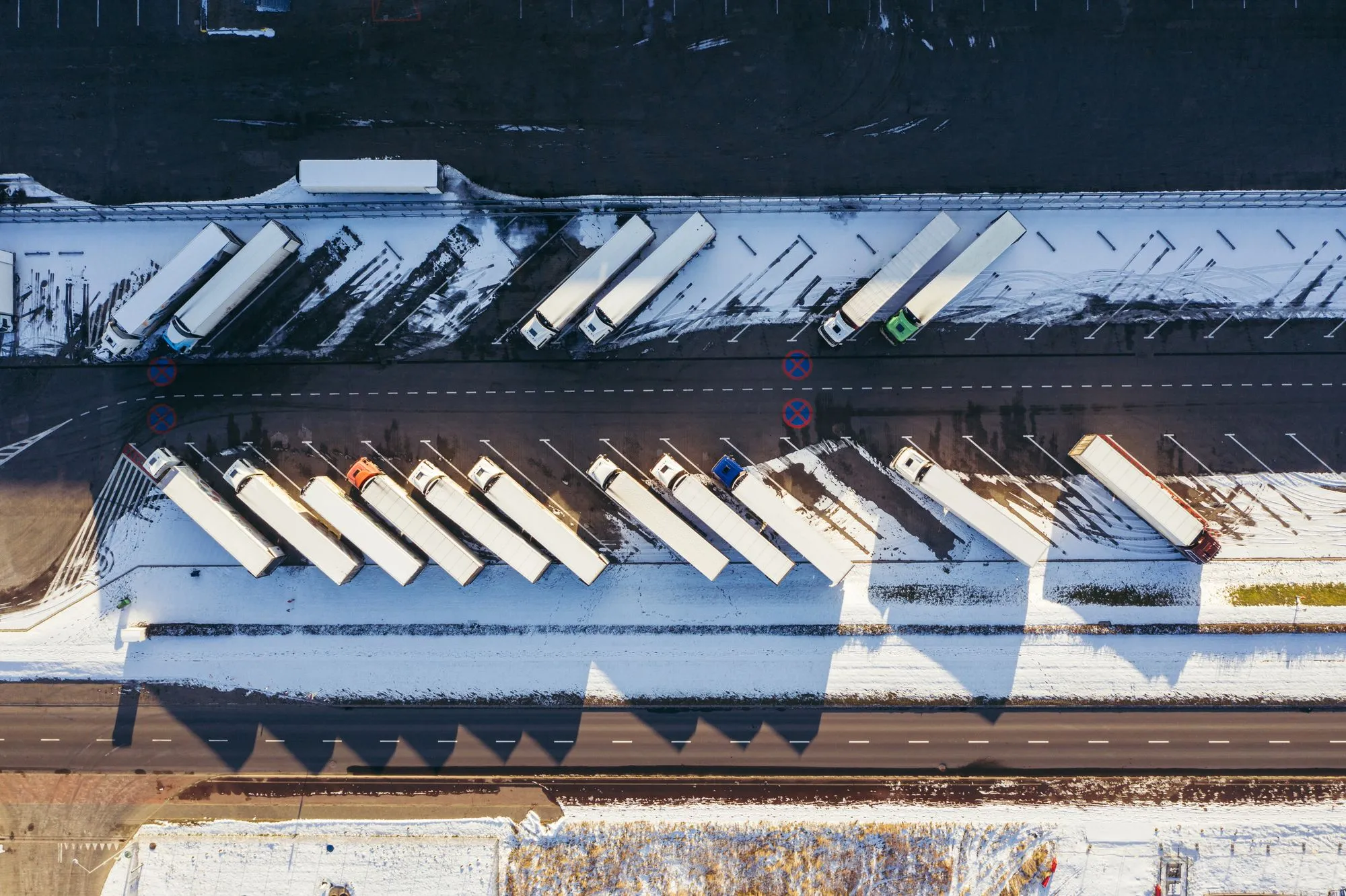
Overhead stays low
No terminals, no company yard, no payroll for a shop that runs at half capacity through the winter.
Less overhead to recover. More of the linehaul reaches the driver. That is how we keep good operators.

Decisions are fast
A small team with the authority in-house can answer a rate question the same day.
There is no approval chain, because there is no chain. The person who picks up the phone can commit to the load.
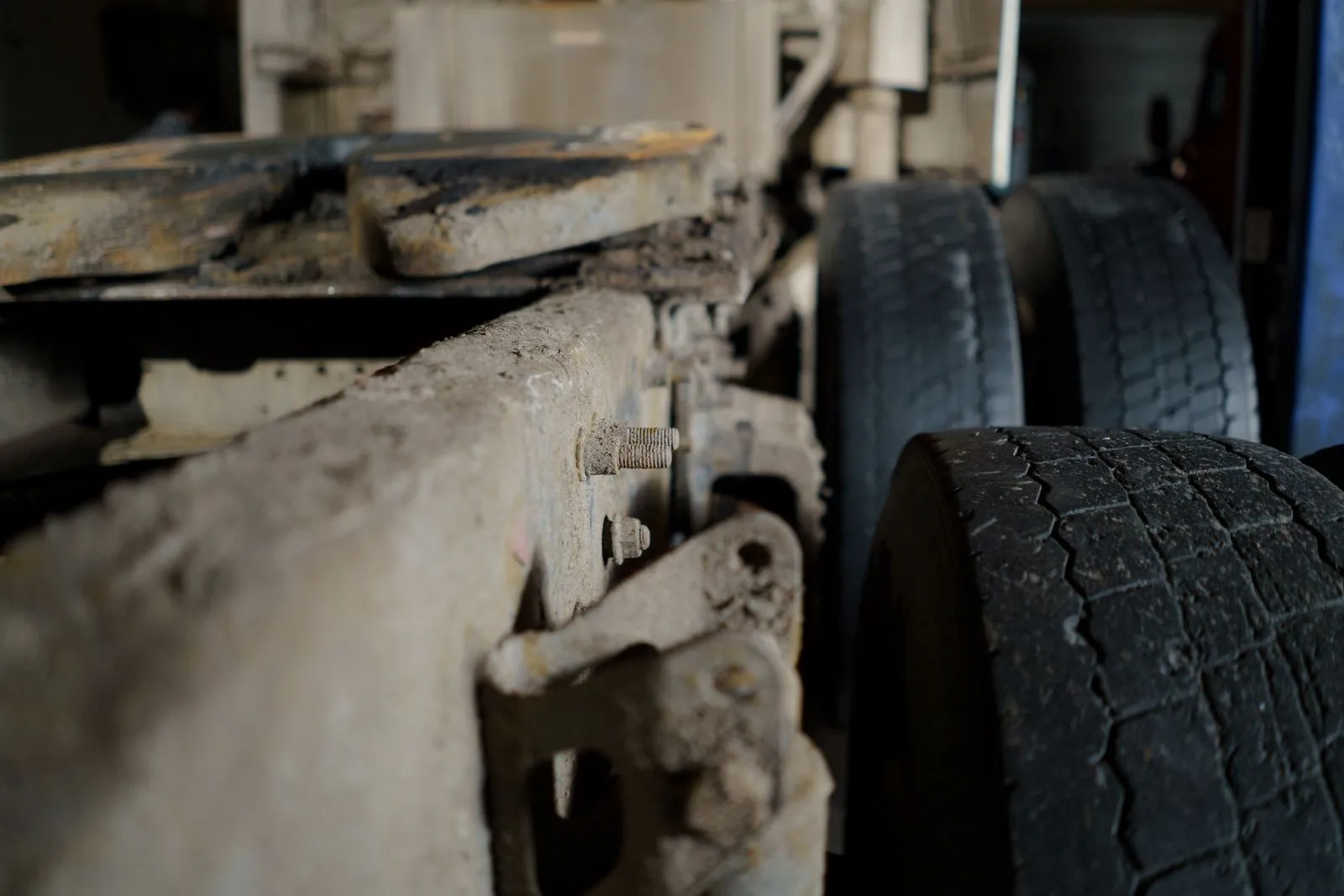
Specialists do specialist work
A shop that does nothing but diesel repair is better at diesel repair than we would ever be.
The same is true of a driver who owns their truck. Ownership is a standard of care no employment contract reproduces.
Still have a question about how it works?
Ask it directly. Whoever picks up is the person who would be running your freight.